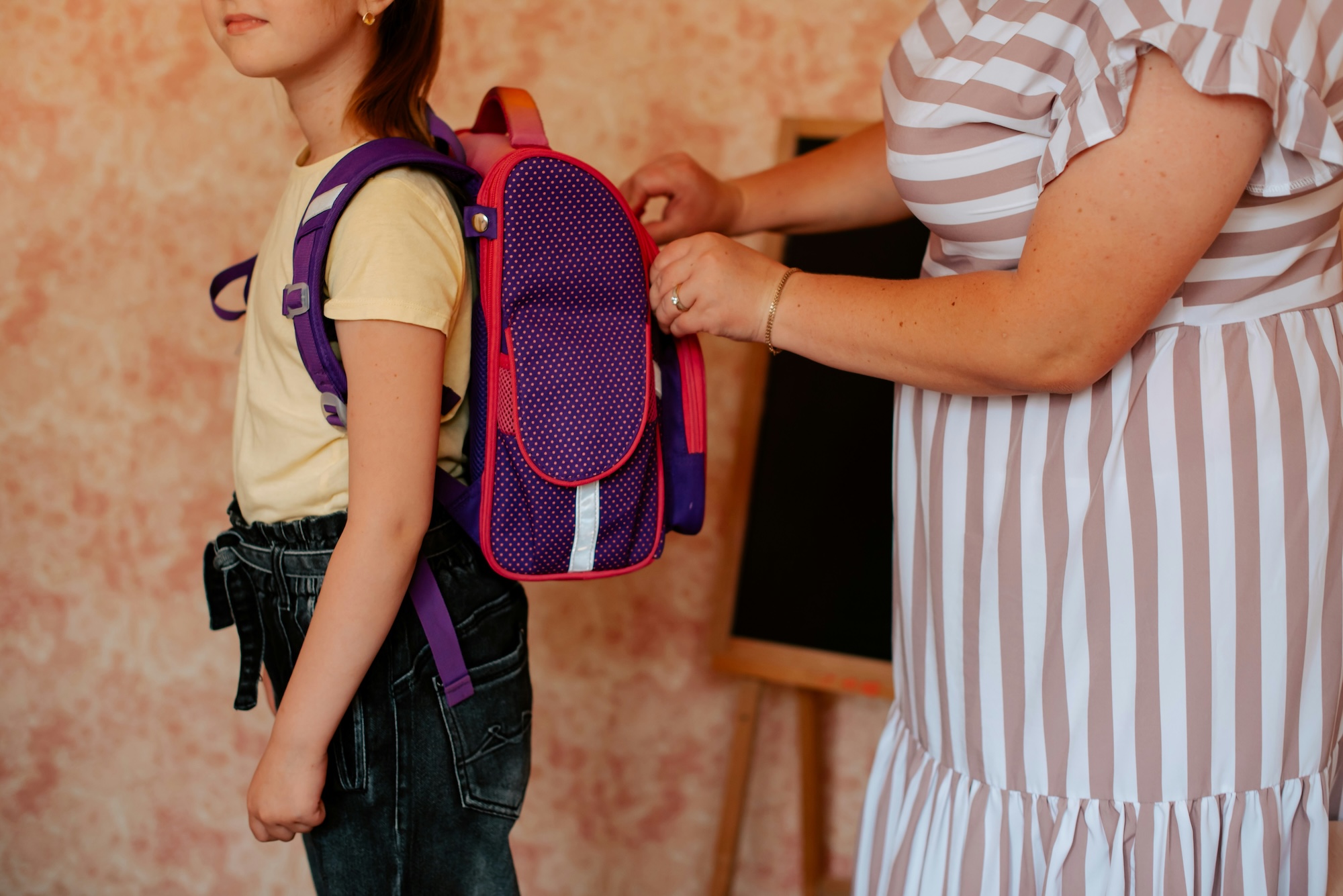
For many children, the primary challenge following a concussion is not returning to sports, but returning to the classroom. Reading, writing, concentrating, and shifting visual focus between a whiteboard and a notebook can suddenly become exhausting. Tasks that once felt routine may trigger headaches, dizziness, blurred vision, or overwhelming fatigue.


Watching a child grow, explore, and master new physical skills is one of the most rewarding parts of parenthood. From those initial, uncoordinated attempts at rolling over to the first steps across the living room, physical milestones mark your child’s growing independence and confidence.


In the world of youth sports, we often treat children like small adults. However, from a physiological and orthopedic perspective, a child’s musculoskeletal system is fundamentally different. While an adult’s injury might involve a strained ligament or a torn tendon, a child is much more likely to sustain an injury to the bone, specifically, the growth plate.


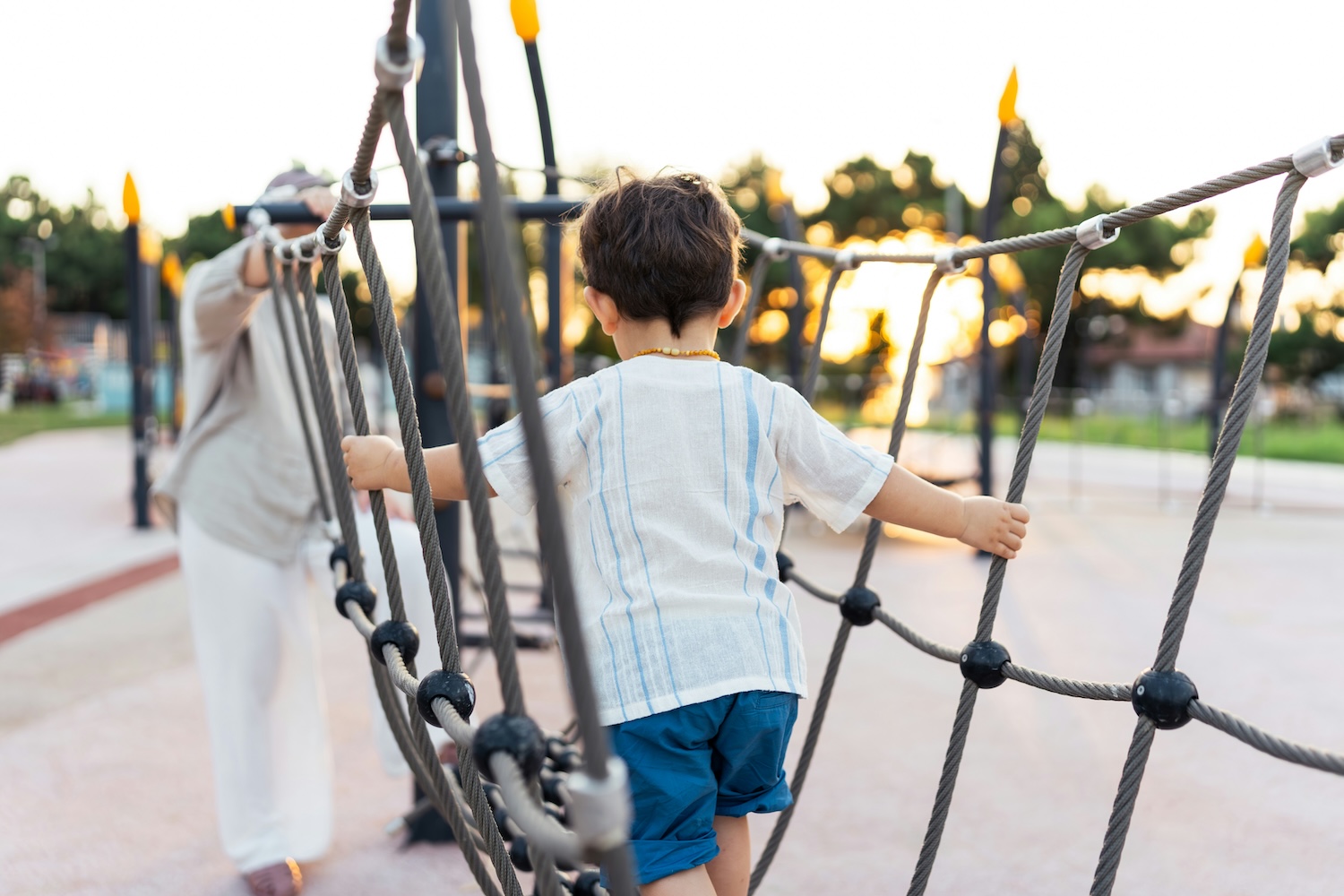
The playground can feel overwhelming for children with Developmental Coordination Disorder (DCD) also known as Dyspraxia. Climbing, jumping, running, and even simple coordination tasks may require significantly more effort compared to peers. With structured support, however, playground activities can become one of the most effective environments for improving motor skills and building confidence.