


Developmental Coordination Disorder (DCD): A Simple Guide
The playground can feel overwhelming for children with Developmental Coordination Disorder (DCD) also known as Dyspraxia. Climbing, jumping, running, and even simple coordination tasks may require significantly more effort compared to peers. With structured support, however, playground activities can become one of the most effective environments for improving motor skills and building confidence.
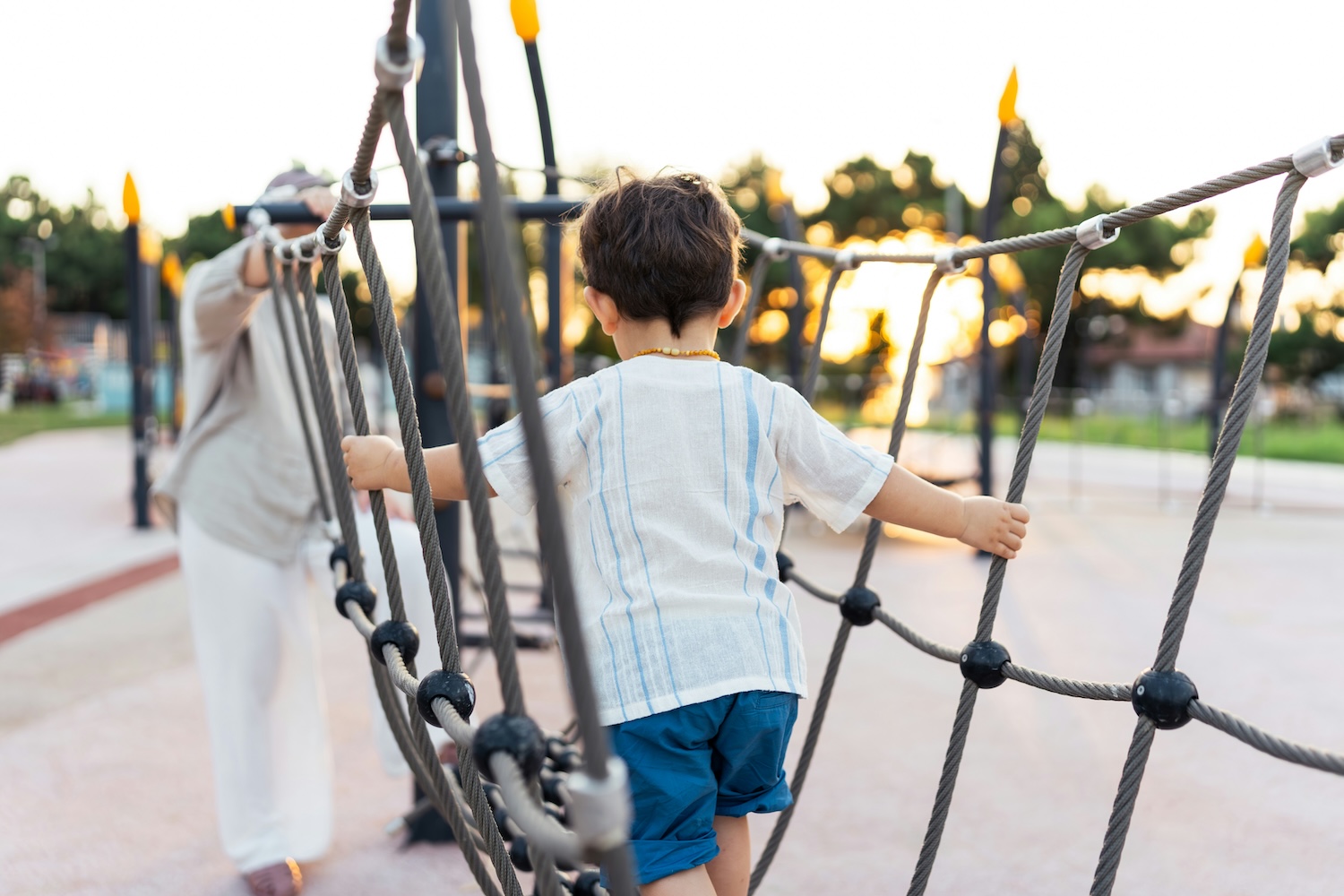
The playground can feel overwhelming for children with Developmental Coordination Disorder (DCD) also known as Dyspraxia. Climbing, jumping, running, and even simple coordination tasks may require significantly more effort compared to peers. With structured support, however, playground activities can become one of the most effective environments for improving motor skills and building confidence.
At On The Ball Pediatric, our pediatric physiotherapists and occupational therapists use play-based movement strategies to help children develop coordination, strength, and confidence in everyday activities, including school and playground participation.
What Is Developmental Coordination Disorder Therapy?
Developmental Coordination Disorder affects how children plan, coordinate, and execute movements. Motor tasks do not always come easily. Common signs include difficulty with climbing, jumping, catching, or balancing, frequent tripping or falling compared to peers, avoidance of sports or physical play, slower learning of motor skills, and frustration during physical tasks. These children get tired quickly and are often labeled as “lazy”. This couldn’t be farther from the truth. Their brain is working overtime to figure out how to move.
Developmental Coordination Disorder therapy focuses on improving motor planning, balance, strength, and coordination through structured, repetitive, and play-based activities. Pediatric physiotherapy helps bridge the gap between intention and movement execution.
Why the Playground Is an Ideal Therapy Environment
The playground provides a natural and motivating setting for developing movement skills. Unlike structured exercise, playground activities combine multiple motor demands at once.
Children practice balance, coordination, motor planning, spatial awareness, and confidence simultaneously while engaging in play. Because the activities feel fun and self-directed, children are often more willing to try, repeat, and progress. Physical play creates a safe environment where children learn to take risks, make mistakes, correct and learn.
Common Playground Challenges in Children With DCD
Children with DCD often experience predictable challenges in physical environments.
Balance tasks such as walking on uneven surfaces or navigating stairs may feel unstable. Motor planning tasks like climbing ladders or using monkey bars can be difficult to sequence. Coordinating arms and legs during jumping or climbing may require extra effort. Confidence can also be affected after repeated struggles, which may lead to avoidance of physical play.
Understanding these challenges helps caregivers and therapists provide the right level of support.
Playground Activities That Build Motor Skills
Playground environments can be used strategically to support development when activities are chosen and graded appropriately.
- Climbing structures help build full body strength and coordination. Starting with low ladders or simple climbing frames and gradually progressing to more complex structures allows for safe skill development.
- Swings support core stability and body awareness while also improving rhythm and timing. Gentle swinging can begin with caregiver support and progress toward independent movement control.
- Balance activities such as beams, stepping stones, or marked pathways help children develop stability and focus. Turning balance tasks into games, such as obstacle courses or imaginative play scenarios, increases engagement.
- Slides support motor planning because they require children to sequence actions such as climbing, positioning, and safely sliding down. Practicing each step slowly builds independence.
- Ball play in open spaces improves hand-eye coordination and timing. Simple activities like rolling, tossing, or kicking a soft, light ball help build foundational motor skills that transfer to sports and daily activities.
Supportive Strategies for Parents at the Playground
Parental support plays a major role in building confidence and skill development.
Focus on effort rather than performance, allowing children to feel successful for trying rather than achieving perfection. Break tasks into small steps so movements feel manageable and predictable. Allow extra time for repetition and learning, as motor skills often require more practice for children with DCD. Keeping activities playful reduces pressure and increases willingness to participate.
Avoid comparisons with other children, since development varies widely and progress should be measured individually.
How Pediatric Physiotherapy Supports DCD
Pediatric physiotherapy for DCD focuses on improving how children move, learn, and interact with their environment. Therapy sessions are designed to feel like play while targeting specific motor goals.
Treatment helps improve balance, coordination, strength, motor planning, and endurance. It also supports confidence and participation in school, recreation, and sports activities.
Therapists use graded play activities that gradually increase in complexity, helping children build skills step by step while maintaining motivation and engagement.
The Confidence Effect of Improved Movement
As movement becomes easier, participation increases naturally. Children become more willing to engage in playground activities, sports, and social play. This often leads to improved confidence and stronger peer interactions.
Small improvements in coordination can create meaningful changes in how a child experiences everyday life.
Supporting Your Child’s Development in Orleans
Developmental Coordination Disorder does not prevent children from enjoying physical activity or building strong motor skills. With structured, supportive, and play-based therapy, children can make steady and meaningful progress.
At On The Ball Pediatric in Orleans, pediatric physiotherapy helps children develop the skills they need to move with confidence and enjoy play in all environments, including the playground.
With the right guidance, the playground can shift from a place of frustration to a space for growth, success, and enjoyment.




.svg)