


Pediatric Sports Injuries: Navigating Growth Plates and Overuse
In the world of youth sports, we often treat children like small adults. However, from a physiological and orthopedic perspective, a child’s musculoskeletal system is fundamentally different. While an adult’s injury might involve a strained ligament or a torn tendon, a child is much more likely to sustain an injury to the bone, specifically, the growth plate.
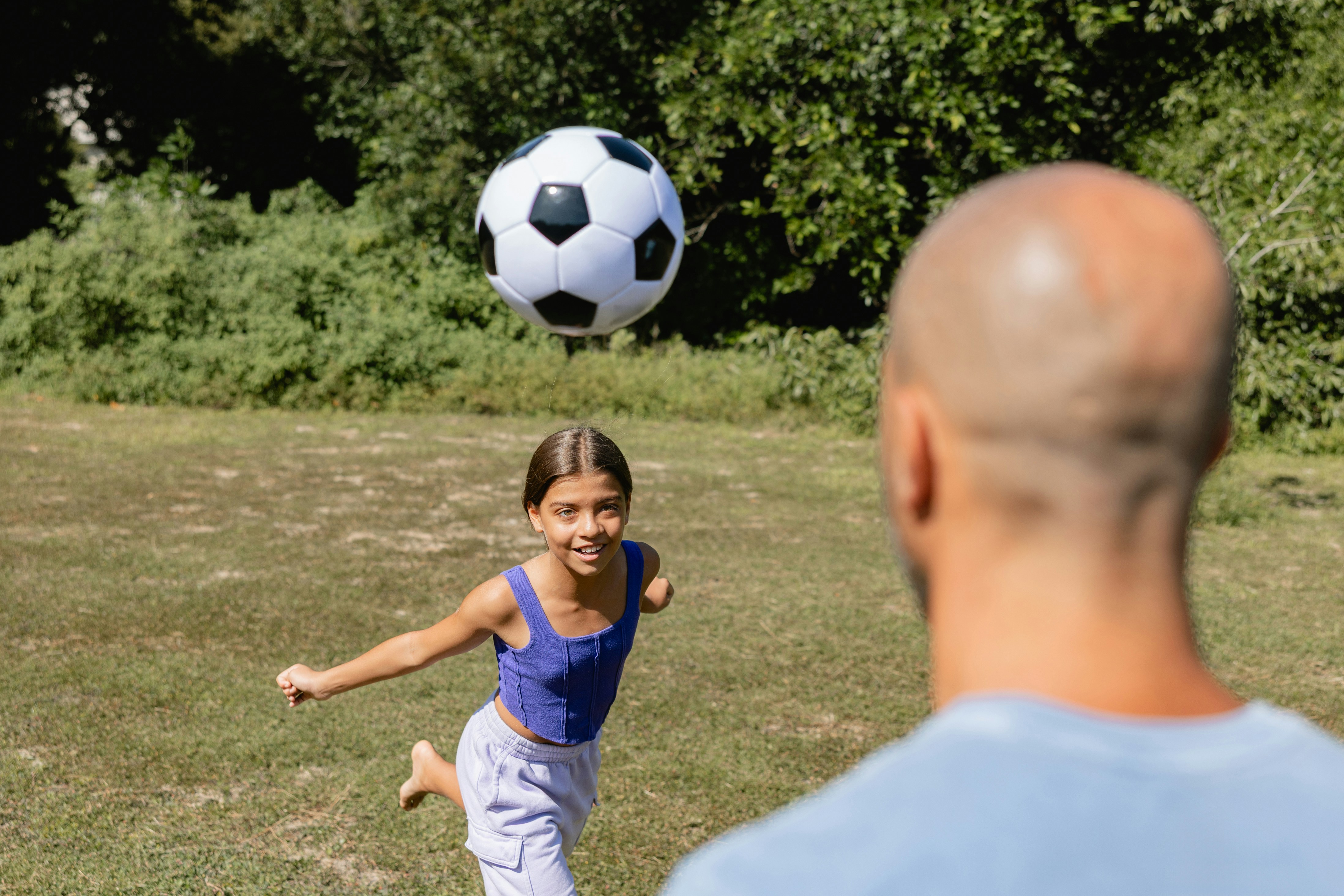
In the world of youth sports, we often treat children like small adults. However, from a physiological and orthopedic perspective, a child’s musculoskeletal system is fundamentally different. While an adult’s injury might involve a strained ligament or a torn tendon, a child is much more likely to sustain an injury to the bone, specifically, the growth plate.
At On The Ball Pediatric, we focus on managing the unique intersection of athletic performance and biological development. Understanding how repetitive stress affects growing bones is the first step in ensuring your child stays on the field today and maintains healthy joints for a lifetime.
The Growth Plate: The Weak Link in the Chain
Growth plates, or epiphyseal plates, are areas of developing cartilage tissue near the ends of long bones (like the thigh, forearm, and shoulder). Because this tissue is still actively producing new bone, it is the last part of the skeleton to harden, or ossify.
Research shows that growth plates are significantly weaker than the ligaments and tendons that surround them. In an adult, a sudden ankle twist might result in a sprained ligament. In a growing child, that same force is more likely to cause a growth plate fracture.
Common growth plate injury sites include:
- The Heel: Osgood-Schlatter disease or Sever’s disease.
- The Elbow: Often referred to as "Little League Elbow."
- The Knee: Specifically at the tibial tubercle.
The Rising Trend of Overuse Injuries
In recent years, the shift toward early sports specialization and year-round training has led to a spike in overuse injuries. Unlike acute injuries (like a fall or collision), overuse injuries occur when repetitive stress is placed on the bone and soft tissue without adequate time for repair.
For a young athlete, load management isn't just about preventing fatigue; it’s about protecting the integrity of the growth plate. When a growth plate is subjected to constant, repetitive micro-trauma, it can lead to chronic inflammation or even premature closure of the plate, which can result in limb-length discrepancies or angular deformities.
Red Flags for Parents and Coaches:
- Pain that increases with activity and lingers after the game.
- Changes in form or technique to avoid discomfort (e.g., a pitcher changing their wind-up).
- Localized swelling over a bony prominence.
- Stiffness in the morning or after periods of rest.
The Kinetic Chain: Beyond the Point of Pain
At On The Ball Pediatric, we don't just look at the site of the pain. We assess the entire kinetic chain. Pediatric sports injuries are rarely the fault of the joint itself; they are often the result of global imbalances.
- Core and Proximal Stability: If a young gymnast or soccer player lacks stability in their hips and core, their knees and ankles are forced to absorb significantly more impact force.
- Flexibility Imbalances: During growth spurts, bones often grow faster than the muscles can stretch. This creates a "tightness" that places increased tension on the growth plate attachment points.
- Motor Control: We focus on retraining how a child moves. For example, teaching them to jump, land, and rotate in ways that distribute force through the muscles rather than the growth plates.
How On The Ball Pediatric Supports Athletes
Our approach to pediatric sports medicine in Ottawa is supported by the Long-Term Athletic Development (LTAD) model. We aim to settle the acute pain while building a foundation of resilience.
Your child’s rehabilitation plan may include:
- Load Modification: We help families navigate the "grey area" between complete rest and playing through pain, often using a "traffic light" system for activity.
- Growth-Specific Strengthening: Targeted exercises to help muscles keep pace with bone growth.
- Sport-Specific Mechanics: Assessing and refining the biomechanics of their specific sport (e.g., throwing mechanics or running gait).
- Education: Empowering the athlete to understand their own pain monitoring, helping them realize that reporting discomfort early prevents long-term time away from the sport.
Building Long-Term Joint Health
The goal of pediatric sports therapy is to ensure that a 12-year-old’s injury doesn't become a 40-year-old’s chronic joint issue. By respecting the biology of the growth plate and addressing overuse early, we can protect the joint surfaces and ensure healthy alignment into adulthood.
Ready to keep your young athlete moving safely? If your child is struggling with persistent "growing pains" or a sports injury, the team at On The Ball Pediatric in Ottawa is here to help. Book an assessment today to build a stronger, more stable foundation for your child’s athletic journey.




.svg)